Building on a solid foundation with Angular 22
Stable signals, better templates, and performance by default

A language of life
Ferin Taylor - 5 min read
I was recently inspired after reading Nonviolent Communication by Marshall Rosenberg. The book was incredibly informative and pushed me to reflect on the communication styles influencing my life - both personally and professionally.
The book is broken up into four sessions. In this blog, I’ll walk through some of the points that stood out to me from the first session, particularly those that feel highly relevant when working in modern engineering teams.
Non-violent communication (NVC) is a process language that promotes psychological safety: expressing ourselves honestly while maintaining connection with others.
It explores how static generalisations (judgements) can influence our actions on a subconscious level and how, if we aren’t intentional, they can negatively impact collaboration and how we’re perceived by others.
Rosenberg simplifies human connection by emphasising empathy within interactions. Here, empathy goes far beyond “aww, I’m sorry to hear that” - a response most of us are already comfortable with.
The book challenges us to take this a step further and transform empathy into compassion.
So what does that look like in practice - especially during tougher conversations? For example, when giving or receiving feedback from a colleague. How do we stay empathetic when emotions run high?
Let’s get into it.
Let’s be honest - it can be difficult to truly receive what someone is expressing if their tone or vocabulary isn’t something we’re typically receptive to. Working in multicultural teams makes this even more common, and it’s rarely sustainable to expect others to change first.
This is where NVC asks us to focus on what’s alive in the other person.
What on earth does “what’s alive in us” mean?
Essentially, it means putting tone and word choice on the back burner and focusing instead on what the other person is trying to communicate.
NVC gives us a guide for identifying and expressing this empathically, regardless of how skilfully (or not) the message is articulated. We do this by connecting to the person’s humanity above all else.
We aren’t responsible for each other’s feelings - but we are responsible for how we respond.
This doesn’t remove the need for respect in conversation. Rather, it asks us to listen and understand beyond subjective cultural norms.
When we focus on what’s alive in someone, we’re more likely to see the shared human experience behind their words. This creates an even playing field - a small mindset shift with the potential to connect rather than divide.
The opposite approach is filtering people through a lens of preconceived notions and judgements - a closed mind shaped by conditioning rather than curiosity.
NVC frames communication around two core questions:
What is alive in us?
What am I / are you feeling and needing?
What can we do to make life more wonderful?
What action can I / can you take to meet those needs?
In Scrum and other collaborative development frameworks, communication is constant: refinement sessions, retrospectives, feedback loops, and code reviews. These environments amplify both connection and conflict.
This makes NVC particularly valuable - not as a “soft skill”, but as a technical enabler of healthy collaboration.
One of the biggest blockers to compassion is evaluating people through moralistic judgements - classifying behaviour as right or wrong.
When we do this, our language shifts away from connection and towards:
Focusing on the level of wrongness immediately puts you against the other person. This prevents us from engaging in ways that allow everyone to continue contributing willingly to one another’s well‑being.
For example:
There is no absolute truth here - just preferences. One does not inherently take precedence over the other.
“Just because I am right does not make you wrong.”
Two things can be true at the same time.
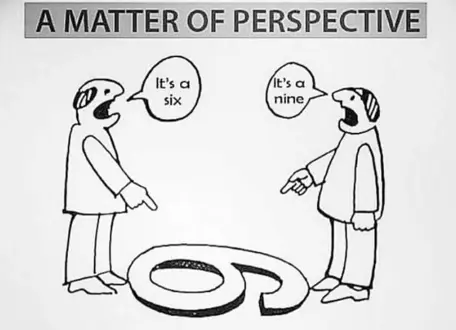
Judging people in this way is usually a poor expression of unmet needs. Poor, because when people hear judgement they almost always respond with defensiveness or resistance.
Even if they do change, it’s often driven by fear, guilt, or shame - not genuine willingness. Over time, this leads to what Rosenberg calls “diminished goodwill”.
Making comparisons
Comparing ourselves to others often leads to
self‑judgement or judgement of others - both disconnecting outcomes.
Denial of responsibility
This clouds our awareness that we’re responsible for our own thoughts, feelings, and reactions.
Language patterns that shift responsibility elsewhere can include:
These frames disconnect us from conscious choice - and actions taken from this mindset tend to cost everyone involved.
Communicating desires as demands
Demands implicitly threaten guilt or blame if the other person doesn’t comply.
When people act under threat, they associate you with that pressure. Over time, this erodes trust and compassionate engagement.
NVC doesn’t argue for constant praise or positivity, that’s just as inauthentic. Instead, it suggests people change best when they believe in the intrinsic value of the change, not because they fear consequences.
The first step is to express what’s alive in you.
This means:
Observation ≠ evaluation - and mixing the two increases the likelihood of defensiveness.
This distinction is subtle and takes practice.
During a discussion about a colleague who dominates meetings, these statements were made:
“My colleague talks too much.”
→ Evaluation
“They just want to be the centre of attention.”
→ Diagnosis
“He thinks he’s the only one who has something worth saying.”
→ Another diagnosis
Now compare that with:
“Regardless of the agenda, the colleague often shares long personal stories, which causes meetings to run over time.”
✅ This is an observation - it explains impact without attaching judgement, making it far easier to receive and act upon.
The goal of NVC is not to get people to do what we want.
Its purpose is to create a quality of connection and psychological safety in which everyone’s needs can be met compassionately.
Instead of telling people what we think of them, NVC invites us to clearly communicate what we need - and why it matters.

Stable signals, better templates, and performance by default

How I used Claude Code and the grill-me skill to finally plan a proper cleanup of my website codebase.
A guide to copying JS arrays & objects; safely

A brief, practical tour of the new Signal Forms in Angular—setup, validation, template binding, and submission.
Signal-driven, reactive, and zoneless
Paving the way to exciting features
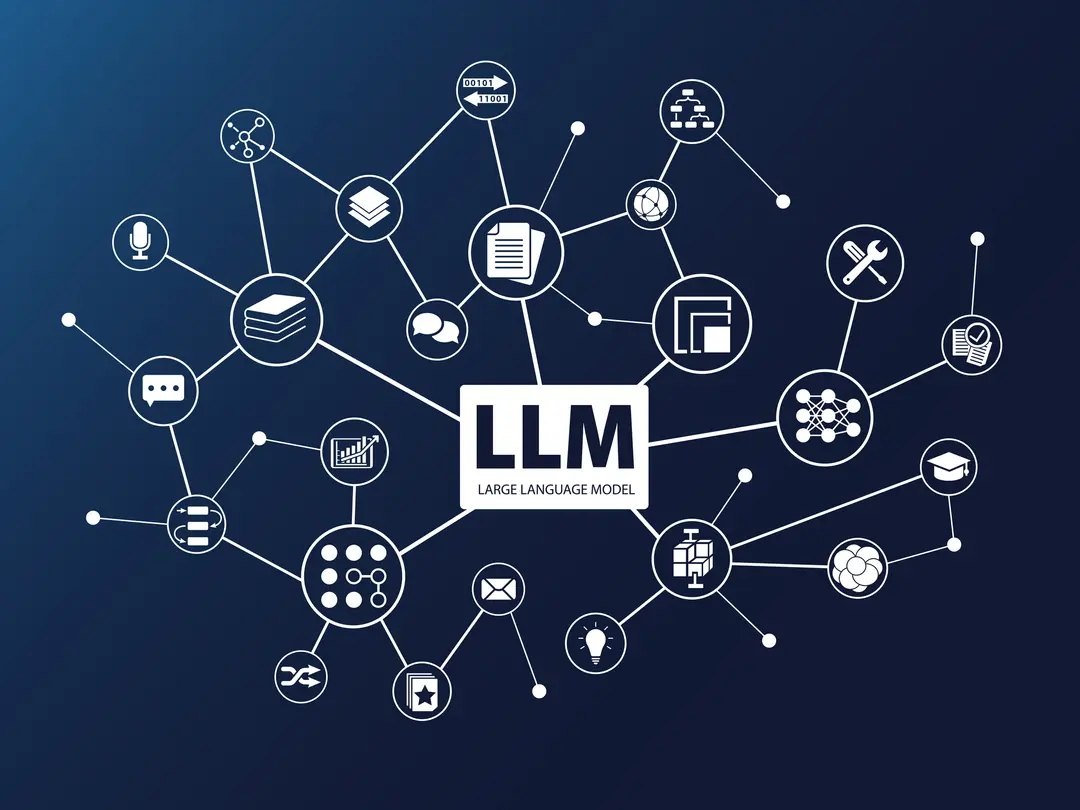
Let’s dive into the world of LLMs and explore how tools like LangChain make it easy to create more dynamic applications.
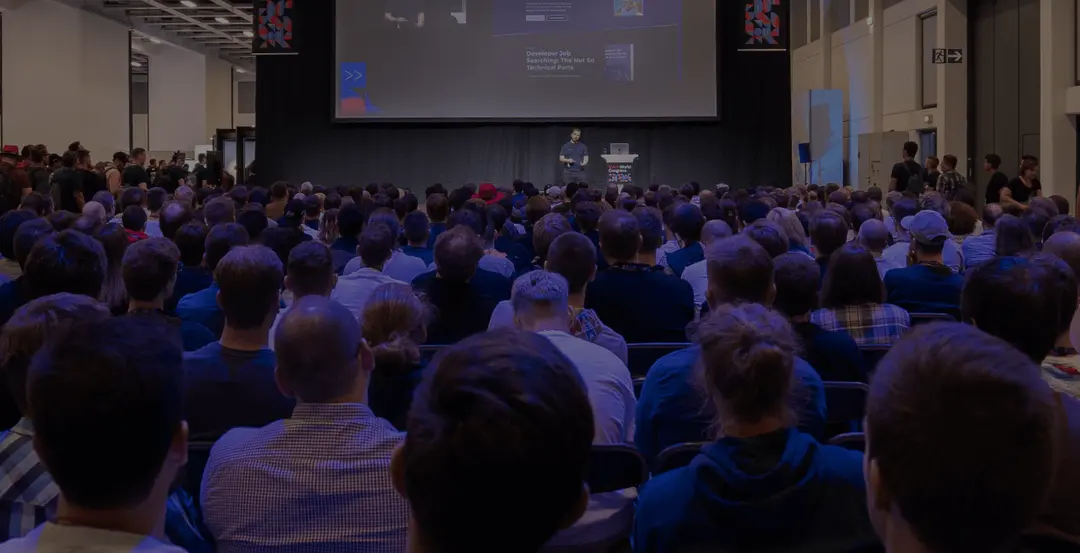
This is how I got into conference speaking as a software engineer, and how you can too.
Developer happiness, aiming for the next level!

Let’s dive into why web accessibility matters with tips to ensure your site works for everyone.
Expanding Your skillset for the Modern Job Market
Get ready to get the nitty gritty of our lovely framework
The eternal debate: Angular vs. React. It's like pineapple on a pizza, a discussion that never ends.

The secrets of Angular, new computed signals versus old getters

A look at some of the new exciting features in TypeScript 5.5
The new reactivity system for at least the next 10 years of Angular.
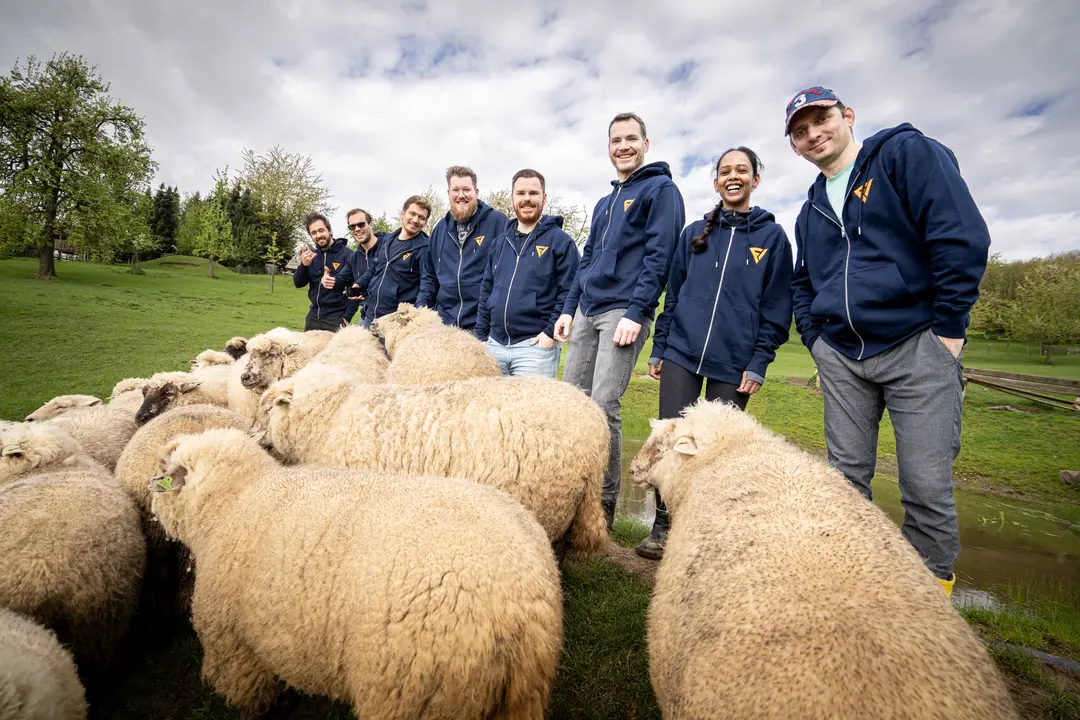
The team building and learning experience of the FrontValue Hackathon 2024.
Let's take a look at the improvements and new parts of React 19
How to share components across different frameworks from a single code base? How to implement Lit (web components) to React & Angular?
Running multiple applications together with Nx Monorepo.